If you've ever wiped out every fruit fly you can see and had a fresh cloud waiting for you the next morning, you already know the problem: fruit flies don't just fly in from outside. They're breeding somewhere in your kitchen, and killing the adults you can see does nothing to stop the ones still developing.
Step 1: Find and remove the source
A single overripe banana or a drain with a film of organic gunk is enough to sustain a fruit fly population indefinitely — they can go from egg to breeding adult in about a week. Before anything else works long-term, check the usual sources:
- Produce bowls. Any fruit or vegetable past its prime — refrigerate or toss it.
- Drains. Kitchen and bathroom drains build up organic film that fruit flies breed in. Run a bottle brush around the inside of the drain, or pour boiling water down it nightly for a few days.
- Empty bottles and cans. Recycling bins are a classic hidden source — rinse containers before they go in the bin.
- Trash and compost. Take it out more often than usual while you're dealing with an infestation.
Step 2: Trap what's already flying
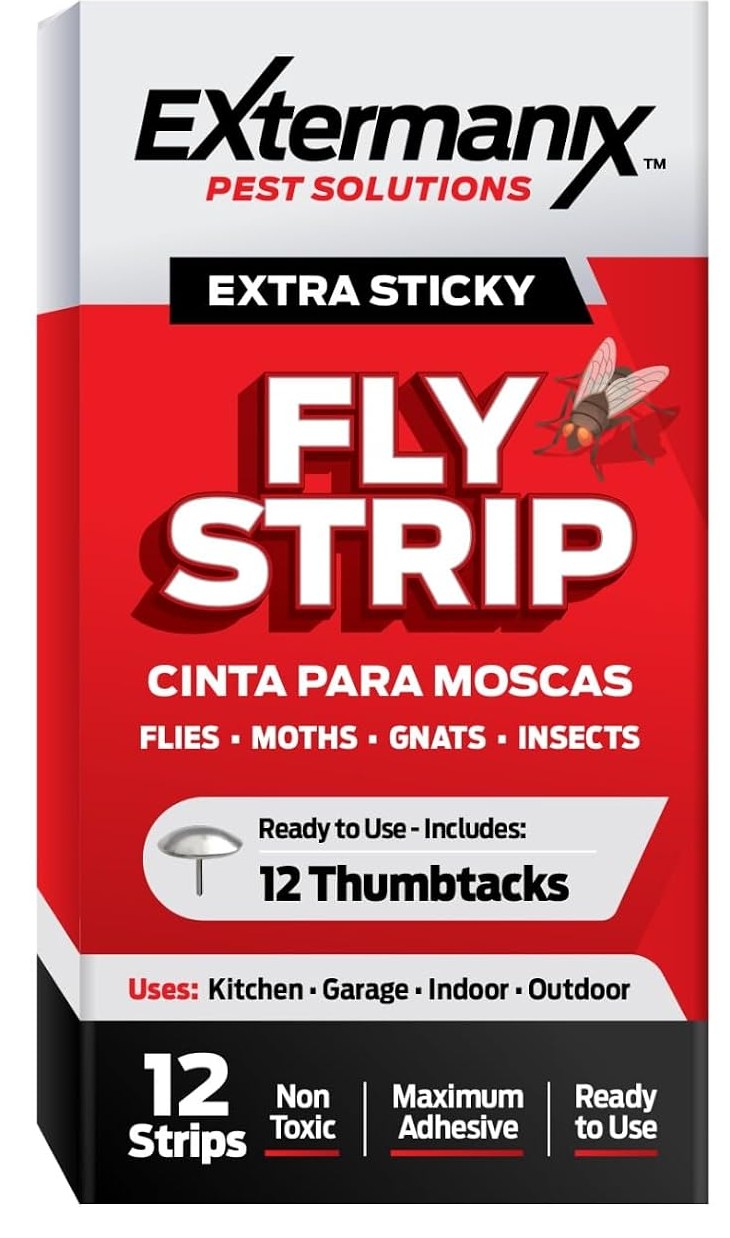
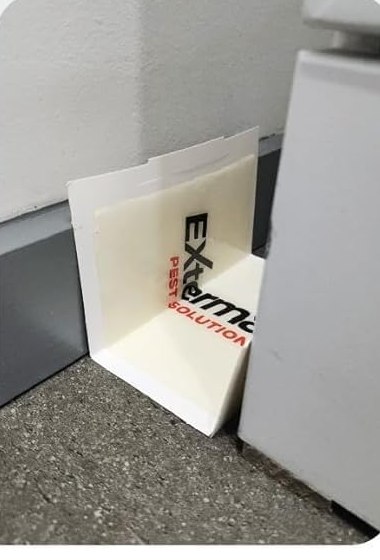
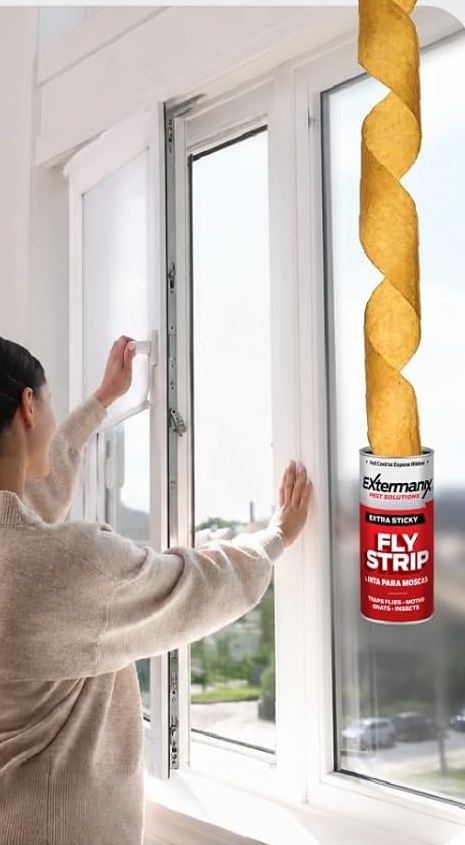
Source removal stops new flies from being born, but it won't touch the adults already in the air — that's where trapping earns its keep. A hanging fly strip near the affected area catches fruit flies the same way it catches house flies: a light scent draws them in, and maximum-hold adhesive keeps them there. Hang one within a few feet of the kitchen counter or trash area rather than across the room — fruit flies don't travel far from their food source, so proximity matters more than strip count.
A DIY apple-cider-vinegar trap works on the same principle and can help in the short term, but it needs to be refreshed daily and only catches what flies directly into it. A fly strip keeps working around the clock without upkeep.
Step 3: Prevent the next wave
Once the visible population is under control, keep it that way:
- Store ripe fruit in the fridge instead of on the counter during peak season.
- Take out the trash before it's full, not after.
- Keep one fly strip hanging near the kitchen as ongoing insurance — it's cheap, invisible to guests, and does the work of remembering to check for the next infestation so you don't have to.
How long until it's actually gone?
Most kitchen infestations clear up within 7–10 days once the breeding source is removed — that's roughly one full life cycle. If you're still seeing new flies after two weeks with no obvious source, check less obvious spots: a garbage disposal, a mop bucket, or even a houseplant with overly wet soil can all sustain a population.