Mice don't wander a house at random. They hug walls, follow the same paths night after night, and rarely cross open floor if they can help it — a habit called thigmotaxis, and it's the single most useful fact for placing traps well. A trap in the middle of a room, no matter how well-baited, is a trap mice will never meet.
The rule that matters most: against the wall
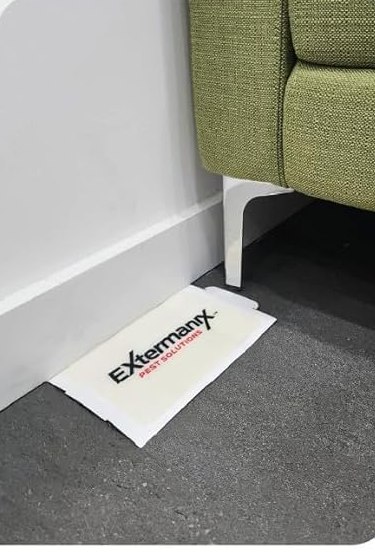
Every placement tip below comes back to this: put the trap flush against a wall or baseboard, in the direction mice are already traveling. A trap floating a few inches off the wall might as well not exist.
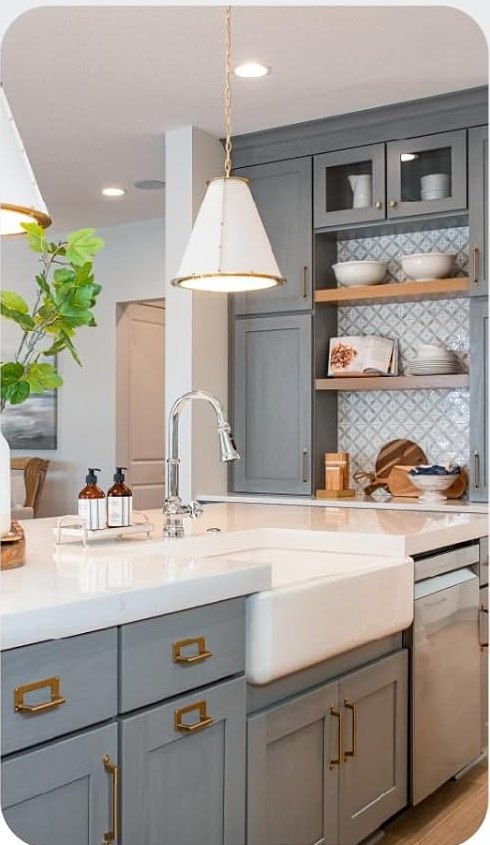
Kitchen
- Behind and beside the stove and refrigerator — the gap where they meet the wall is a common thoroughfare.
- Under the sink, along the back wall of the cabinet.
- Behind trash cans and recycling bins.
Pantry and cabinets
- Along the back wall, especially in corners.
- Near any visible droppings or gnaw marks — mice reuse the same entry points.
Garage and basement
- Along the perimeter walls, particularly near boxes, stored items, or clutter mice can hide behind.
- Near utility penetrations — where pipes or wires enter through the foundation is a common access point.
Attic
- Along the edges where the roofline meets the floor, not in the open center.
- Near insulation that shows signs of nesting or tunneling.
Which fold to use where
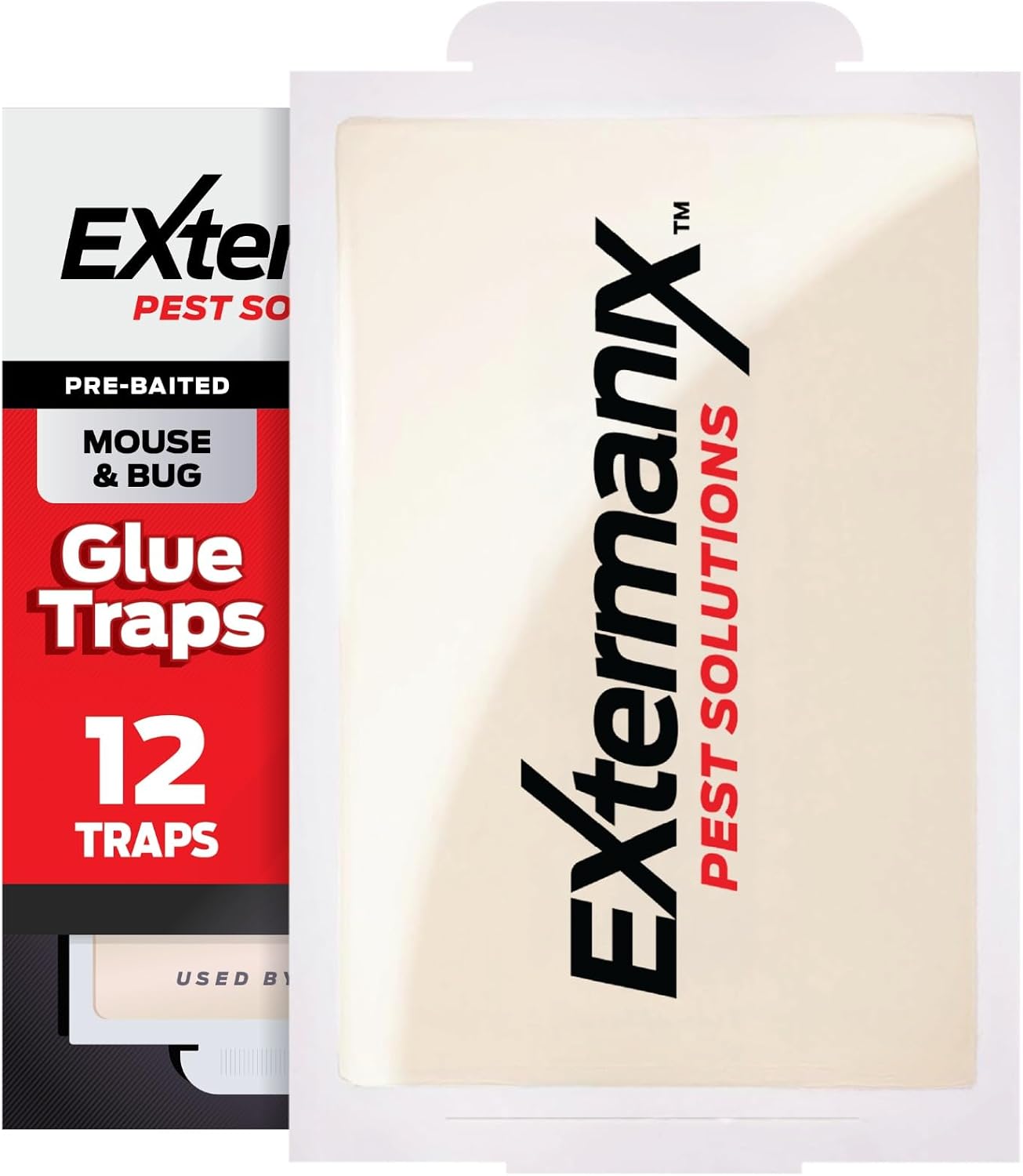
Extermanix glue traps fold three ways, and each shape suits a different spot:
- Flat — for tight spaces like under appliances or beds, where there's no room to fold.
- U-shape — for corners and the gap behind furniture, where the two sides can flank a wall or object mice are likely to follow.
- Covered box — for open, high-traffic areas or spots with pets and kids nearby, since the box shields the glue surface from accidental contact while leaving the entrances open.
How many, and how long to wait
Place several traps rather than one — mice are cautious around new objects for the first day or two, so more entry points means better odds early on. Check traps daily for the first week; if a spot isn't producing after 5–7 days, move it a few feet rather than assuming the problem is solved.